 Carsiste
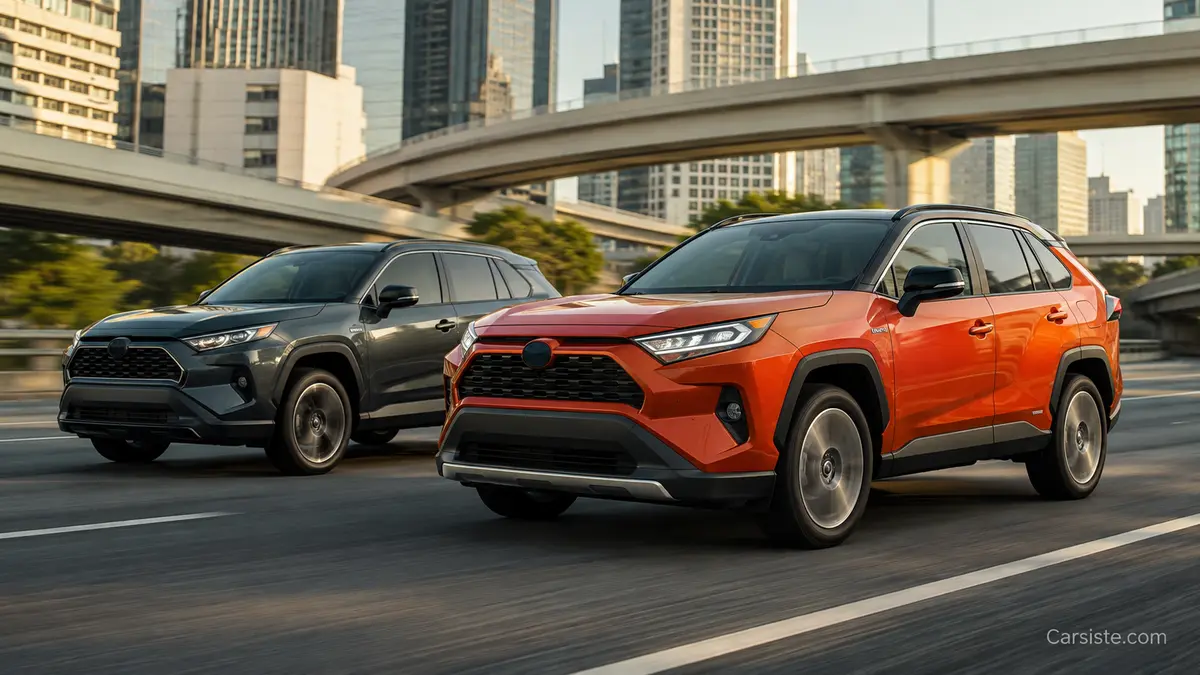
A hybrid SUV is most likely to save money when it delivers a meaningful MPG improvement in the owner’s real city-heavy driving and the price premium is recovered during planned ownership. A gas SUV may be the better value when discounted heavily, driven few miles or used in conditions where the hybrid economy gap is small. Compare matching trims because wheels, AWD and equipment can alter both price and efficiency.
What this comparison covers
Compare hybrid and gasoline SUVs for purchase premium, city MPG, highway use, towing, cargo and resale.
Side-by-side comparison
| Decision area | First option | Second option |
|---|---|---|
| Purchase | Possible hybrid premium | Often lower starting price |
| Urban fuel use | Often a meaningful advantage | Higher consumption in stop-and-go use |
| Highway gap | May narrow at steady speed | Can be competitive by model |
| Capability | Verify tow/payload and packaging | Verify matching configuration |
Calculate savings from gallons avoided
Divide annual miles by realistic MPG for each SUV. The difference in annual gallons multiplied by gasoline price is the gross fuel saving. Compare that figure with purchase premium, financing, insurance and possible resale difference.
City and highway mix matters
Hybrid systems often capture braking energy and reduce engine idling, which can create a strong city-rating advantage. Long steady highway travel may narrow the gap. Use the owner’s actual route share rather than a national average.
Capability must remain equivalent
Confirm passenger space, cargo floor, spare-tire arrangement, AWD system, ground clearance, payload and tow rating. A more efficient hybrid is not a valid substitute if it cannot safely perform the required job.
Check model-specific warranty and service
A hybrid SUV retains engine-related maintenance and adds high-voltage components. Review traction-battery warranty, coolant schedules and local service. Do not assume routine costs or future battery replacement without model evidence.
Buyer checklist
- Match trim, AWD and tire size
- Calculate annual gallons for both
- Verify payload and towing needs
- Get insurance quotes
- Compare break-even with ownership years
Carsiste verdict
A hybrid SUV is most likely to save money when it delivers a meaningful MPG improvement in the owner’s real city-heavy driving and the price premium is recovered during planned ownership. A gas SUV may be the better value when discounted heavily, driven few miles or used in conditions where the hybrid economy gap is small. Compare matching trims because wheels, AWD and equipment can alter both price and efficiency.
Use written prices, exact model specifications, local operating costs and the conditions you encounter most often. A different driver can reasonably reach a different conclusion because mileage, parking, climate, financing, insurance and ownership period change the result.
Official sources and further verification
Also verify the exact model year using manufacturer owner manuals and warranty documents. Check VIN-specific open recalls through NHTSA before buying a used vehicle.
Frequently asked questions
How do I know if the hybrid premium is worth it?
Divide the price premium by estimated annual fuel savings, then add other ownership differences.
Are hybrid SUVs good for towing?
Some are, but use the exact manufacturer tow rating and payload limits.
Does a hybrid SUV need charging?
A conventional hybrid does not plug in.
Will highway drivers save as much?
Possibly less if the MPG gap is smaller on their route.
Do hybrid SUVs still need engine maintenance?
Yes. They retain a combustion engine and related service items.
Run the numbers for your situation
Editorial note: Carsiste provides educational information, not financial, legal, insurance or mechanical advice. Prices, regulations, incentives, specifications and availability can change. Confirm current information with the relevant manufacturer, dealer, lender, insurer, utility or qualified technician.