 Carsiste
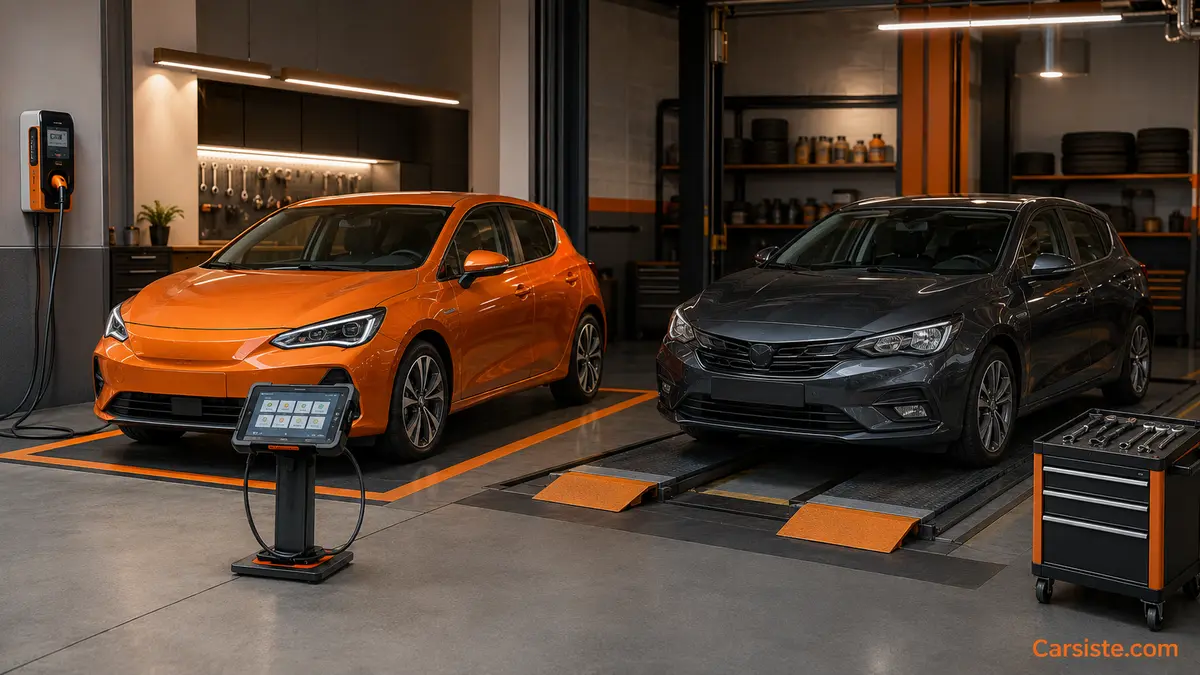
A used EV can be compelling when the battery has adequate usable capacity, remaining warranty is understood and the buyer has affordable charging. A used gas car may be safer for drivers who cannot establish a dependable charging routine or who need fast refueling in remote areas. In both cases, vehicle-specific condition matters more than broad claims about the powertrain.
What this comparison covers
Compare used EV and gasoline cars through battery health, charging, inspection, maintenance and ownership cost.
Side-by-side comparison
| Decision area | First option | Second option |
|---|---|---|
| Main condition check | Battery health, charging and high-voltage system | Engine, transmission and emissions systems |
| Daily energy | Charging price and efficiency | Gasoline price and MPG |
| Long-trip routine | Charging stops and network compatibility | Fuel stations and refueling time |
| Inspection | EV-qualified diagnostic inspection | Independent mechanical inspection |
Inspect different high-cost systems
A used EV inspection should cover diagnostic trouble codes, usable battery capacity where measurable, charging on the ports provided, thermal-management behavior, tires and collision repairs around high-voltage components. A gas-car inspection emphasizes compression or running quality, fluid leaks, emissions equipment, transmission behavior and service history.
Translate range into the buyer’s worst routine
Do not rely on the original advertised range. Estimate current usable range in highway travel, cold or hot weather and the charging buffer the driver prefers. For a gas car, use realistic MPG and tank range. Both need enough margin for the owner’s actual route.
Check charging standards and software support
Confirm the connector, fast-charging capability, route networks, home-charging equipment and whether adapters are approved. Determine whether important app, navigation or charging functions still receive support. These issues can affect convenience and resale even when the vehicle drives properly.
Compare savings with depreciation and insurance
Lower electricity and routine service may help the EV, but insurance, tires, registration fees and resale can move the result. Use current quotes for both exact vehicles and avoid treating a low used-EV price as proof of either a bargain or a defect.
Buyer checklist
- Verify VIN, title and open recalls
- Review transferable battery warranty
- Test every charging port
- Get model-specific insurance quotes
- Compare real range with the longest routine trip
Carsiste verdict
A used EV can be compelling when the battery has adequate usable capacity, remaining warranty is understood and the buyer has affordable charging. A used gas car may be safer for drivers who cannot establish a dependable charging routine or who need fast refueling in remote areas. In both cases, vehicle-specific condition matters more than broad claims about the powertrain.
Use written prices, exact model specifications, local operating costs and the conditions you encounter most often. A different driver can reasonably reach a different conclusion because mileage, parking, climate, financing, insurance and ownership period change the result.
Official sources and further verification
Also verify the exact model year using manufacturer owner manuals and warranty documents. Check VIN-specific open recalls through NHTSA before buying a used vehicle.
Frequently asked questions
Can a normal mechanic inspect a used EV?
Use a qualified technician with the tools and training for the specific high-voltage vehicle.
How do I know an EV battery’s condition?
Use vehicle diagnostics, displayed range trends, service records and a qualified inspection; methods vary by model.
Is a cheap used EV automatically a bargain?
No. Range, charging compatibility, condition, insurance and resale all affect value.
Do used gas cars need a history report and inspection?
Yes. A report and an inspection answer different questions.
Which is cheaper to maintain?
EVs generally have fewer routine powertrain items, but model condition and repairs can dominate a used-car budget.
Run the numbers for your situation
Editorial note: Carsiste provides educational information, not financial, legal, insurance or mechanical advice. Prices, regulations, incentives, specifications and availability can change. Confirm current information with the relevant manufacturer, dealer, lender, insurer, utility or qualified technician.