 Carsiste
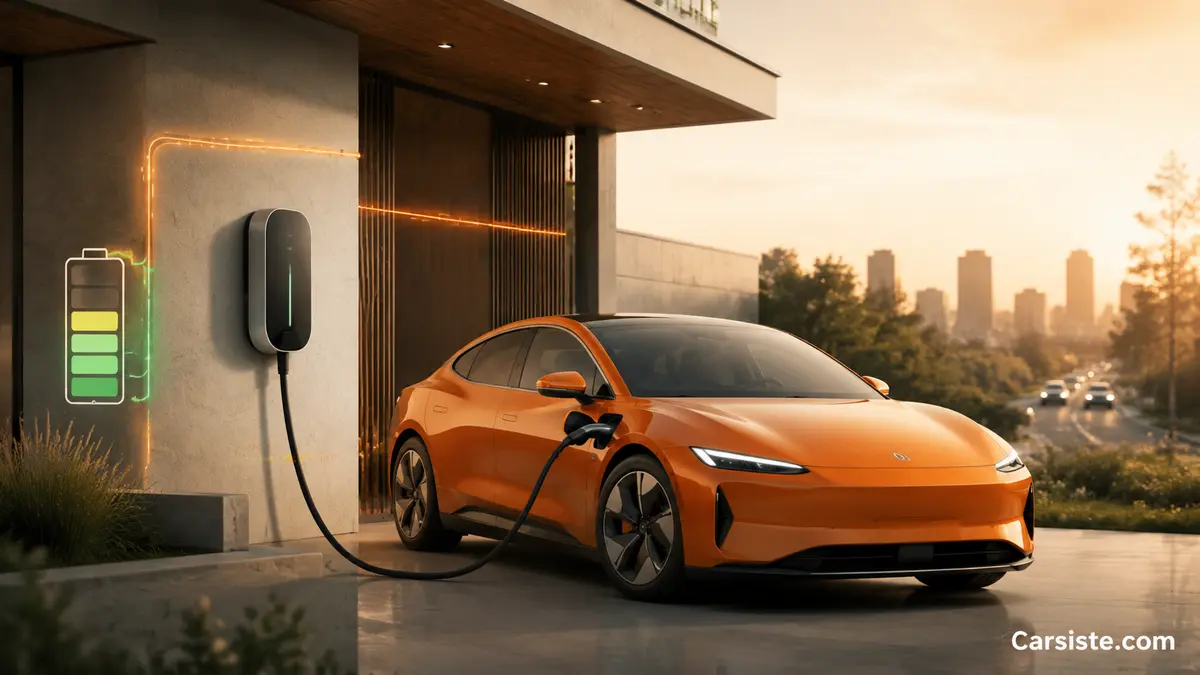
An EV's charging cost depends on how far you drive, how efficiently the vehicle uses electricity, the rate charged by your utility, and where charging occurs.
Read the complete electricity rate
Your bill may separate supply, delivery, taxes, or adjustments. Use a total effective rate when possible. If the utility offers time-of-use pricing, compare off-peak and peak charging. Seasonal rates can also change the annual estimate.
Understand efficiency
EV efficiency may be expressed as miles per kWh or kWh per 100 miles. A higher miles-per-kWh figure means the vehicle travels farther on the same energy. Weather, speed, cabin heating, towing, elevation, tires, and battery temperature can affect the real result.
Planning formula
Annual miles ÷ miles per kWh × electricity rate = estimated annual battery energy cost. Increase the result to allow for energy lost between the wall and battery.
Account for charging losses
The utility meter records energy drawn from the wall. Some energy is used by conversion and thermal management rather than stored in the battery. A 10–15 percent planning allowance is a reasonable scenario to test, but actual loss varies.
Equipment and installation
Level 1 charging may use an appropriate household outlet and can be slow. Level 2 equipment can add range faster but may require a dedicated circuit, permit, panel work, or electrical upgrade. Obtain an electrician's site-specific quote and confirm local requirements.
Public charging is a different budget
Networks may charge by kWh, time, session, or subscription. Pricing can be higher than home electricity and may include idle fees. Estimate the percentage of miles expected from public charging separately.